A few years out of design school, it feels like a lifetime ago now, I was working at a design studio called ChromeToaster, great people, great environment. I was still early in my design career and just starting to really lean into branding, communication, and what design actually does.
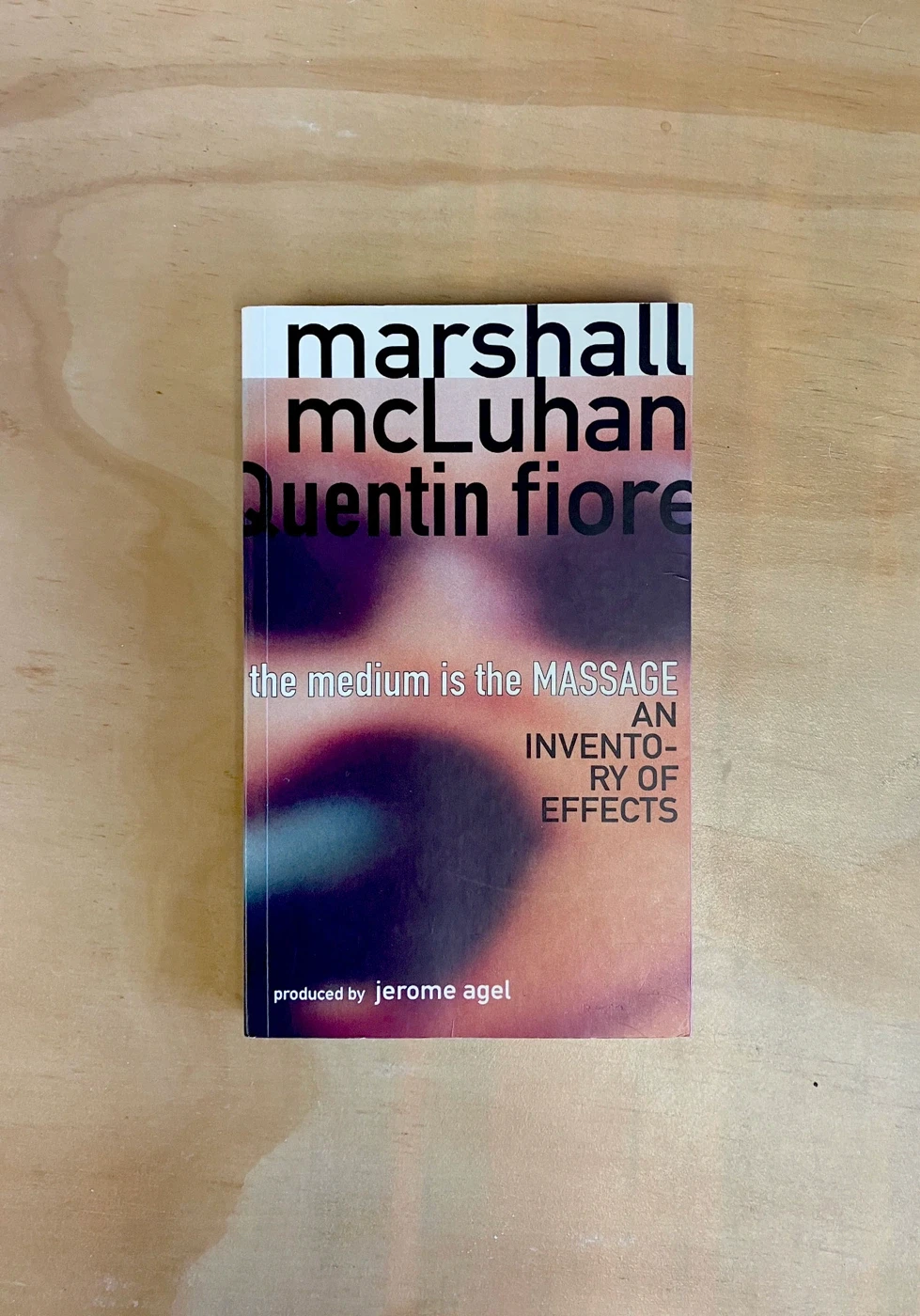
One of my colleagues, David, handed me a book called The Brand Gap by Marty Neumeier. I read it, and it reframed how I see branding. It’s one of those books that’s stuck with me, and I still find myself coming back to it.
Some of the illustrations in the book feel a bit dated now, sure. But the core thinking, especially the definition of a brand, still feels incredibly sharp. It’s one of the clearest and most articulate explanations I’ve come across, and it still holds up in today’s fast-moving, AI-driven world.
“A brand is a person’s gut feeling about a product, service, or organisation.”
A brand is not a logo, a product, or a tagline, those are just tools. A brand lives in people’s minds, shaped by feelings, memories, and experiences over time. Every interaction contributes to that perception, forming a reputation that defines the brand. In short, a brand is not what you say it is, it’s what people feel after experiencing it again and again.
AI can generate logos, layouts, and visuals in seconds. Tools like Canva have made design more accessible than ever, and that’s a good thing. But branding, real branding, goes deeper than output.
It’s about perception. It’s about meaning. It’s about understanding people.
Strategic thinking, knowing how to position something, how to speak to the right audience, and how to shape how something is felt, that still sits firmly in human hands. You can automate execution, but you can’t outsource insight.
At the end of the day, branding is not just about what something looks like. It’s about what it does inside someone.
And maybe that idea doesn’t just sit in branding.
Because if we’re honest, we all carry gaps. The space between who we are and who we feel we’re meant to be. The disconnect between what we present and what’s actually going on underneath. The places where things don’t quite line up.
We spend a lot of time trying to close those gaps ourselves, through work, through success, through image, through trying to get everything to make sense.
But the deeper gaps aren’t solved by better output.
They’re solved by connection.
Not performance, not polish, but being reconnected to something real. Something that holds meaning, not just in theory, but in practice. Something that brings alignment between what’s seen and what’s true.
For me, that’s where Jesus sits.
Not as an abstract idea, but as the one who quietly connects the dots, bringing coherence where things feel fragmented. Closing the gap, not by demanding more, but by offering himself as the bridge.
Not loud, not forced.
Just real.
And maybe that’s the gap that matters most.
By:
Matt Watson