A couple of days ago I was out walking with a friend. We’d just slogged up a hill and I was absolutely exhausted. Somewhere between trying to catch my breath and questioning my fitness levels, we started talking about communication and brand identity.
He’s not a designer, but he understands aesthetics, communication, storytelling, and the strange emotional pull a good brand can have on us. He deeply values thoughtful design and authentic identity.
But during our conversation he told me that lately he’s been feeling a bit duped. Not by bad branding, but by “authentic” branding.
He talked about how in this digital age, especially with the rise of AI, so many organisations and businesses are beginning to feel hollow. Perfectly polished, perfectly positioned, perfectly curated, but somehow missing a soul. It’s all about sales rather than value.
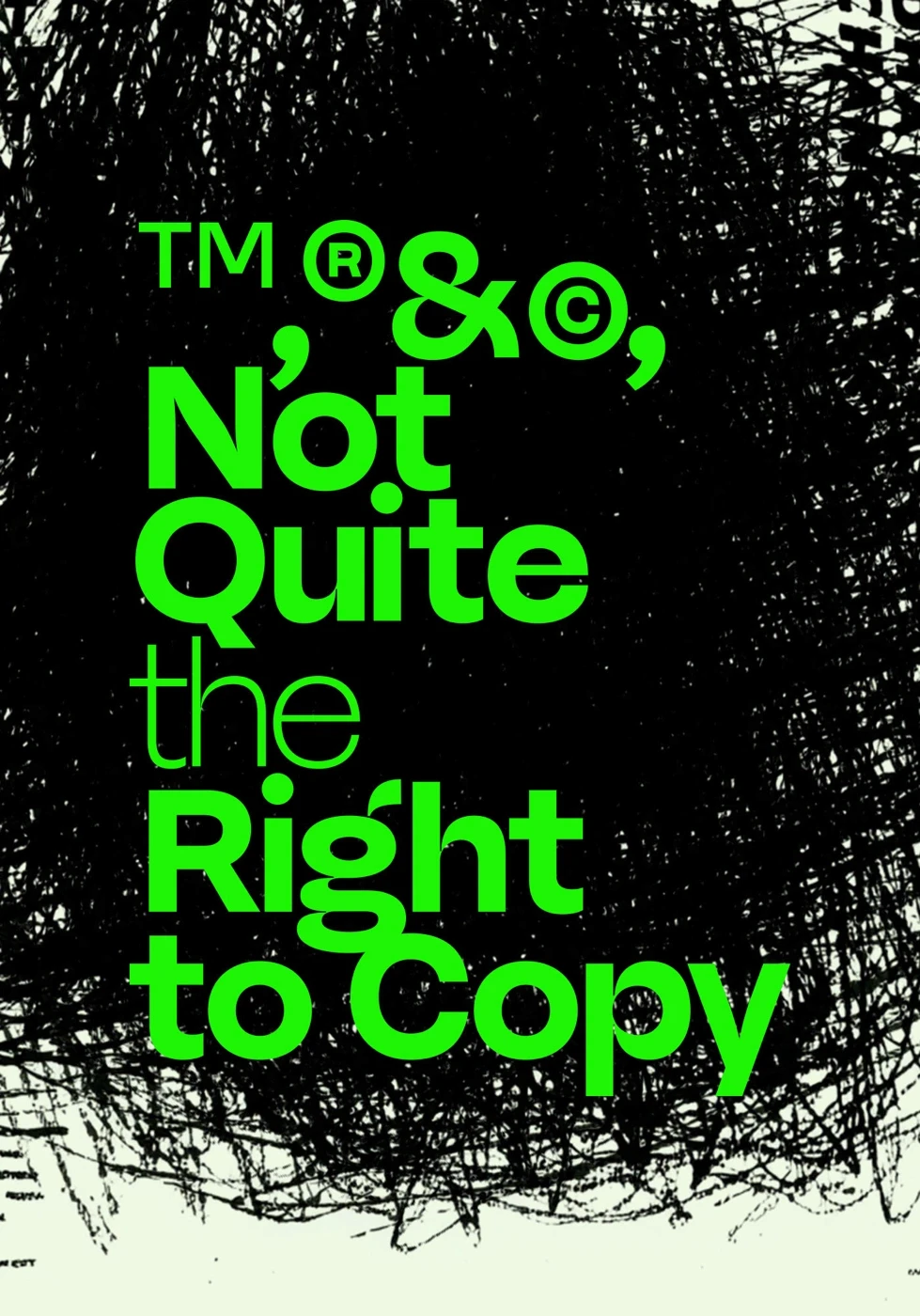
We are entering an era where authenticity itself is becoming commodified. In many ways, authenticity is now for sale. And alongside it, ethics too.
Every organisation now wants to appear ethical, conscious, sustainable, human-centred, or purpose-driven. Ethics has become part of brand language, part of marketing strategy, and part of the aesthetic. But somewhere in all of that, we’ve stopped asking deeper questions.
What actually defines ethics? Is it the language you use? The visuals? The campaign? The social post?
Or is it something deeper, something embodied in how a company treats people, creates culture, handles power, spends money, builds relationships, cares for the environment, and contributes to the wellbeing of the world around it? Maybe it’s even spiritual too, shaping not just what we consume, but who we are becoming.
Recently, another close friend of mine, an artist who thinks deeply about aesthetics and culture, sent me an article on values-led design in Aotearoa that resonated with me. The article explored the idea that design should not simply serve profit, trends, or efficiency, but should instead reflect deeper cultural and human values. It challenged the idea that branding exists purely to sell, persuade, or scale.
These ideas feel important right now, and I hope they start to resonate with creatives and artists around the world. Yes, we need to use AI, but let’s not allow it to take over our creative lives.
I think over the next few years we’re going to see a renewed craving for authenticity, honesty, craftsmanship, humanity, and values. Not manufactured authenticity.
At Vine, this has always been central to who we are. We are not driven by profit.
We’re set up as a nonprofit, and everything we create is grounded in values before business. We choose our work based on the people, organisations, missions, and communities behind it. We care deeply about working with those who are trying to make the world more beautiful, more just, more connected, and more human, ultimately centred around Christ’s values.
For us, design is not just a commercial tool. It’s a form of service. It’s about values, people, and truth.
That doesn’t mean we reject technology. We use AI. We explore new tools. We’re fascinated by innovation. But we also believe technology must remain accountable to human values.
Theologian and writer Graham Joseph Hill wrote about the importance of approaching AI with wisdom, ethics, and humanity. His reflections point toward something many of us are beginning to feel intuitively, that technology without moral grounding can easily drift toward exploitation, power, and disconnection.
There’s a verse in the Bible where Jesus says:
“What good is it for someone to gain the whole world, yet forfeit their soul?” Mark 8:36
I think about that in creative work. Because it’s possible to gain reach, scale, influence, followers, clicks, and visibility, while quietly losing the very thing that made your work meaningful in the first place.
Soul matters. Authenticity matters. Integrity matters. Truth matters.
And maybe in this strange AI-shaped era, soul and authenticity will become some of the most valuable things we have left.
By:
Matt Watson